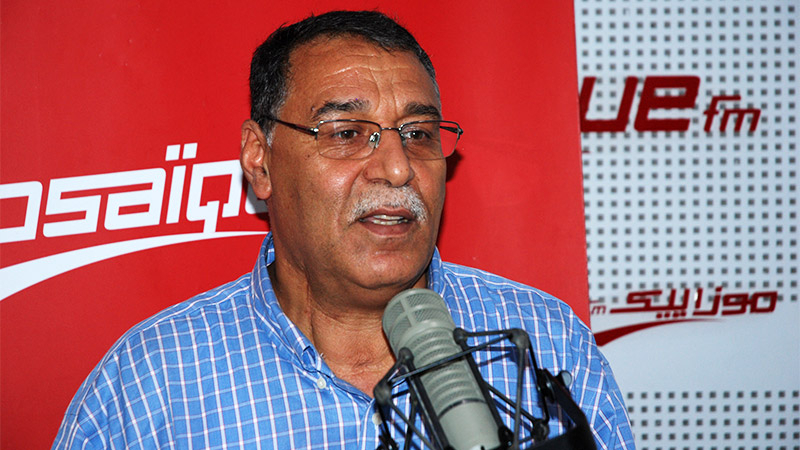
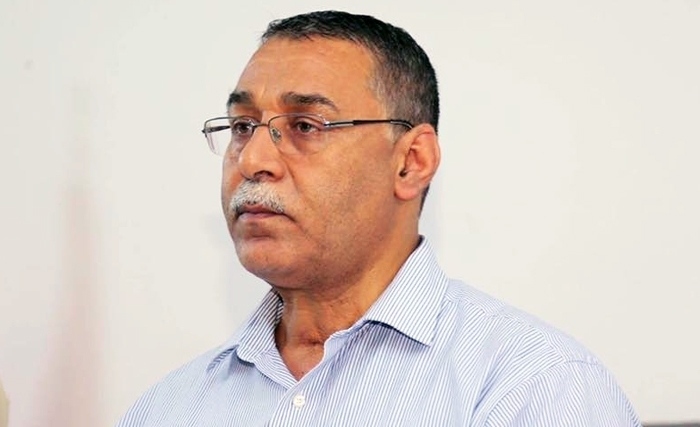
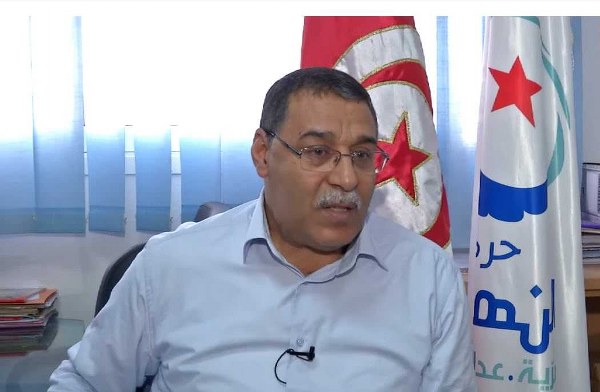
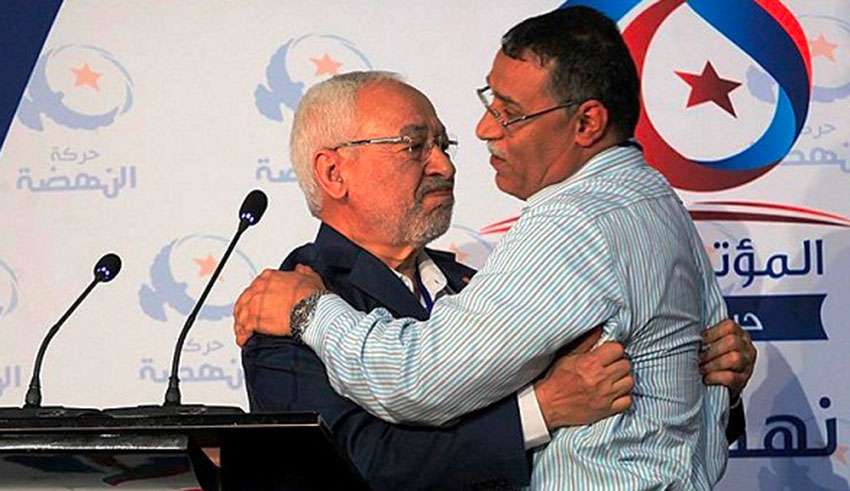
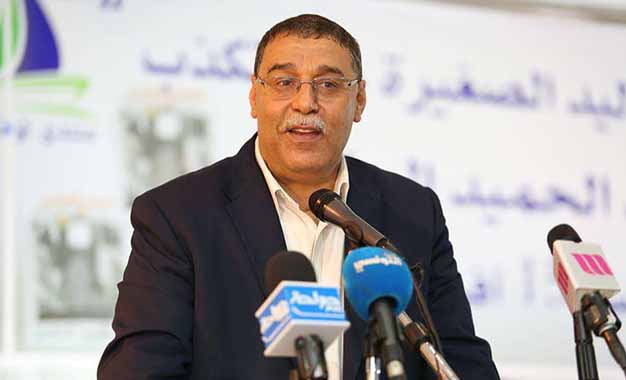
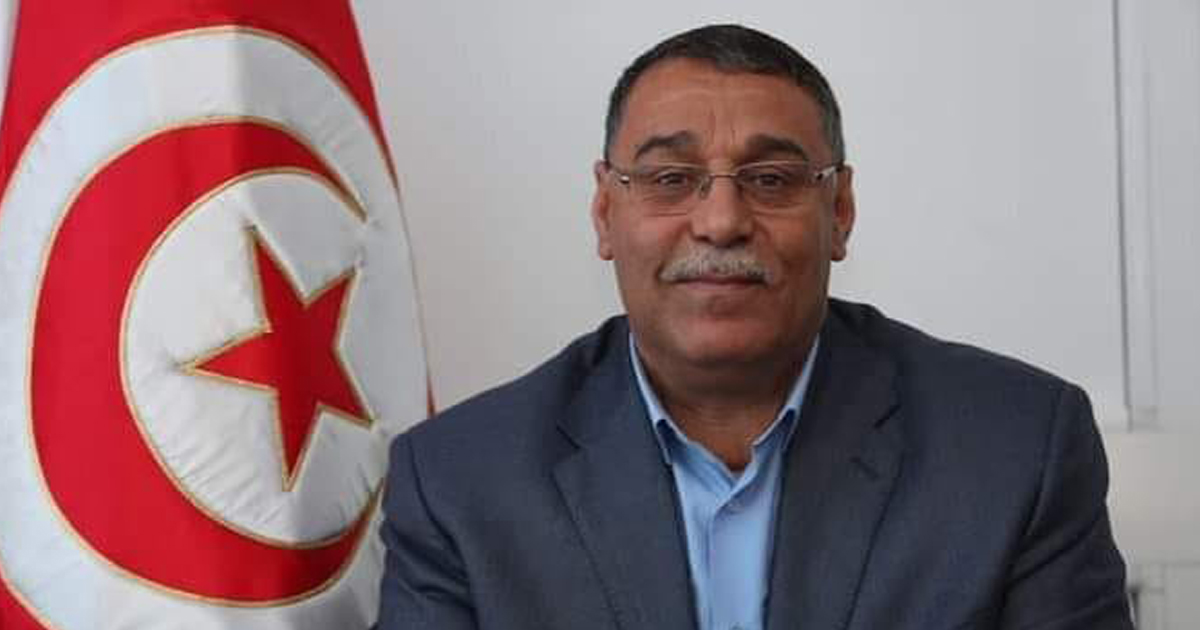
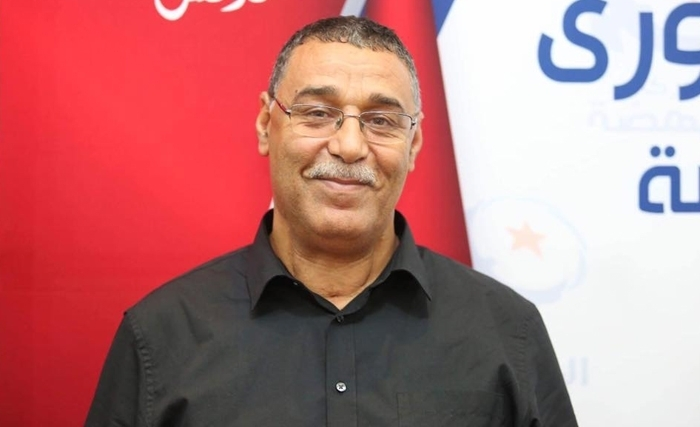
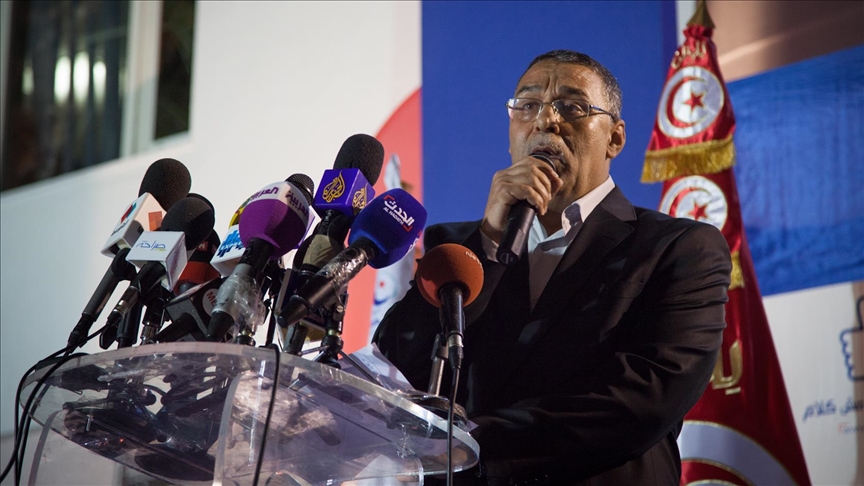
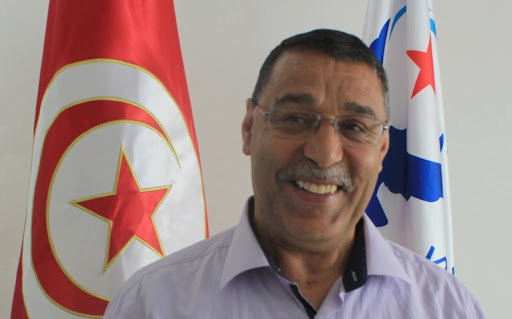
After primary and secondary studies in his province, Jelassi joined the National School of Engineers in Gabes in southern Tunisia in 1979, and graduated from it with a degree in first engineer, specializing in chemistry in 1986. Since his first year at the university, he joined the student branch of the Islamic Attitude Movement (currently Ennahda) and supervised, beginning in 1983, the branch of The School of Engineers and kept pace with the movement of the student arena and was one of the founders of the Tunisian General Union of Students, and was active within its structures.
He was arrested in 1985 because of his activities
After graduating in 1986, he joined the central structures of the movement and supervised its administrative apparatus during the confrontation with the Bourguiba regime in its last months.
At the beginning of 1988, he joined the Executive Office of the Ennahda, supervising its internal apparatus, which includes membership affairs, education, training, administration, the diaspora, and the regional branches. Then, in the summer of the same year, he was given the option to return to the university in charge of the student wing, before returning in December 1989 to membership in the Executive Office of the Movement, which changed its name. to the Renaissance movement.
He was arrested in April 1991 and subjected to severe torture, before the military court issued a life imprisonment sentence in late 1992.
He spent more than 16 years moving between most of the country’s prisons and participated with thousands of fighters in many struggles and hunger strikes in protest against the policies of starvation, deportation, ignorance and slow killing.
His wife, Monia Ibrahim, was imprisoned and then harassed for more than ten years. Three of his brothers were imprisoned, a fourth was exiled, and his sisters were subjected to harassment. After his release from prison in November 2007, he returned to secret work in the internal leadership in order to rebuild the movement and revive its structures. He was deputy to the internal command supervisor, Hammadi al-Jabali.
After the Tunisian revolution in 2011, Jelassi had an important position in the leadership of the Ennahda movement, as he oversaw the organizational structure and led the election campaign for the Tunisian National Constituent Assembly in October 2011. Then he was appointed general coordinator and first vice president of the movement, and in that capacity he headed the committee that watched over the management of the movement’s participation At the National Dialogue August 2013/February 2014
He also campaigned for the October 2014 elections
Al-Jelassi announced his resignation from the membership of the Executive Board of Ennahda on January 27, 2015, and he attributed this to deep disagreements about the management methodology and governance pattern, before he returned to his position as first vice president of the movement and in particular responsible for the file of strategic planning and leadership qualification after the tenth conference (May 2016).
Al-Jalasi, along with a group of leaders, chose not to join the Executive Office and try to amend the situation through membership in the Shura Council.
On March 4, 2020, Al-Jalasi announced his final resignation from the movement and published a lengthy letter containing his organizational, political, and intellectual criticisms.